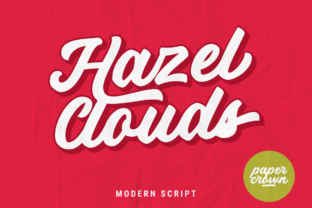
Hazel Clouds: A Strategic Font for Modern Branding and Communication
When it comes to branding, the right font can make all the difference. Hazel Clouds is a modern script font designed with both aesthetics and functionality in mind. Its elegant yet approachable style makes it ideal for a wide range of applications, from logos and headlines to packaging and digital content. But beyond its visual appeal, Hazel Clouds offers strategic value that aligns with goals, planning, and long-term outcomes.
What Makes Hazel Clouds Strategically Useful?
Hazel Clouds is more than just a pretty font—it's a tool that supports intentional communication. With its clean lines and fluid strokes, it conveys professionalism while maintaining a touch of creativity. This balance is especially valuable for brands aiming to connect with audiences who appreciate both substance and style.
The font’s 9 stylistic alternates provide flexibility without sacrificing clarity. These variations allow users to tailor their messaging to different contexts, whether it's a formal presentation or a playful social media post. By offering multiple options, Hazel Clouds supports thoughtful decision-making and helps maintain brand consistency across diverse platforms.
Strategic Use Cases for Hazel Clouds
Choosing the right font isn’t just about looks—it’s about strategy. Here are some practical use cases where Hazel Clouds can be particularly effective:
- Branding: The font’s unique character shapes help establish a distinct brand identity. It’s especially useful for creative industries like design, fashion, and lifestyle brands.
- Headlines and Logos: Hazel Clouds’ readability and visual impact make it an excellent choice for headlines and logo designs that need to stand out at a glance.
- Packaging: For product packaging, the font adds a touch of sophistication that can elevate the perceived value of a product.
- Digital Content: Whether it's website headers, email signatures, or social media graphics, Hazel Clouds ensures your message is both engaging and professional.
Each of these use cases requires careful planning. For instance, when designing a logo, it’s important to consider how the font will look in different sizes and colors. Hazel Clouds’ versatility allows it to adapt well to various design scenarios, but this flexibility also means it should be used with intention.
How to Approach Hazel Clouds Intentionally
Using Hazel Clouds effectively starts with understanding your goals. Are you looking to build trust, inspire creativity, or create a memorable brand experience? The font’s characteristics should align with the message you want to convey.
One key consideration is context. Hazel Clouds works best in situations where a modern, refined look is desired. However, it may not be the best fit for all types of content. For example, it might be less suitable for long-form text due to its script nature, which can affect readability in extended passages.
To maximize its strategic value, start by defining your target audience and the emotional tone you wish to evoke. Then, experiment with different stylistic alternates to find the one that best matches your vision. This process ensures that your use of Hazel Clouds is both purposeful and aligned with your overall brand strategy.
Practical Tips for Using Hazel Clouds Effectively
Here are some actionable tips to help you get the most out of Hazel Clouds:
- Test Across Platforms: Ensure the font renders consistently on all devices and platforms. Some fonts may appear differently depending on the system or browser.
- Pair Wisely: Combine Hazel Clouds with complementary sans-serif fonts for body text to maintain readability while keeping the headline visually striking.
- Consider Accessibility: Always check that the font is legible against the background color. High contrast improves user experience and accessibility.
- Use Stylistic Alternates Thoughtfully: Each alternate serves a specific purpose. Use them to add variety without overwhelming the reader.
- Align with Brand Voice: The font should reflect the personality of your brand. If your brand is more traditional, choose a simpler alternate; if it’s more modern, lean into the bolder styles.
By following these guidelines, you can ensure that Hazel Clouds enhances your communication rather than detracts from it. The font is a powerful tool, but its effectiveness depends on how you apply it.
Risks of Using Hazel Clouds Without Clear Goals
While Hazel Clouds offers many benefits, using it without clear goals or context can lead to suboptimal results. One common risk is over-reliance on the font without considering the broader design or messaging strategy. This can result in a lack of cohesion, especially when the font is used across multiple touchpoints.
Another potential issue is misalignment with brand identity. If the font doesn’t match the tone or values of your brand, it can confuse your audience and dilute your message. For example, a financial institution might find that the playful nature of Hazel Clouds conflicts with the seriousness of its industry.
Additionally, using Hazel Clouds inappropriately can reduce its effectiveness. In some cases, the font may become distracting rather than enhancing the content. It’s important to evaluate each use case carefully and determine whether the font truly supports your objectives.
Long-Term Value of Hazel Clouds
When used strategically, Hazel Clouds can contribute to long-term success by reinforcing brand recognition and improving user engagement. Its distinctive style helps your brand stand out in a crowded market, making it easier for customers to remember and recognize your work.
Moreover, the font’s adaptability allows it to evolve with your brand. As your business grows and your audience changes, Hazel Clouds can be adjusted to meet new needs without requiring a complete redesign. This flexibility ensures that your visual identity remains relevant and effective over time.
Ultimately, the value of Hazel Clouds lies in its ability to support meaningful communication. By choosing the right font, you’re not just making a design decision—you’re making a strategic one that impacts how your brand is perceived and how effectively your message is delivered.