Haswell: A Handwritten Brush Font for Creative Expression
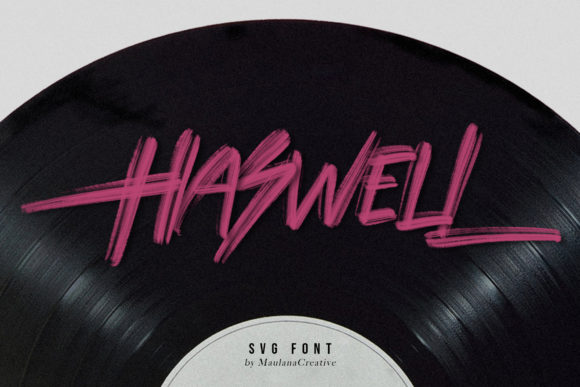
Haswell is a handwritten brush font that brings a personal and artistic touch to digital design. Its unique style, inspired by the fluidity of handwriting, makes it an ideal choice for a wide range of creative applications. Whether you're crafting a signature, designing a logo, or enhancing branding materials, Haswell offers a versatile solution that blends aesthetics with functionality.
Understanding Haswell’s Design and Purpose
At its core, Haswell is more than just a font—it's a visual language. The brush strokes are designed to mimic the natural variations found in hand-drawn text, giving each character a distinct personality. This organic quality makes it stand out from standard sans-serif or serif fonts, which often feel more rigid and uniform.
The font is particularly well-suited for situations where a personal touch is desired. Unlike digital fonts that can sometimes appear too sterile or impersonal, Haswell maintains a sense of warmth and individuality. It’s not just about appearance; it's about creating a connection between the viewer and the content.
Where Does Haswell Fit in a Creative Workflow?
Haswell can be integrated into various stages of a creative project. Before starting a design, using Haswell for sketching or brainstorming can help establish a visual direction. During the development phase, it can be used for labeling mockups, adding notes, or highlighting key elements. After the project is complete, it can serve as a finishing touch on branding assets, packaging, or promotional materials.
Its adaptability means it can be used across multiple platforms and mediums. From web design to print, from social media graphics to physical products, Haswell’s versatility ensures it remains relevant throughout different phases of a project.
Use Cases for Haswell
One of the most common uses for Haswell is in signatures. Whether it's for a professional email signature or a personal letter, the font adds a level of authenticity and charm. It's also widely used in logos, where a handwritten look can make a brand feel more approachable and human.
For branding, Haswell can be used to create a consistent visual identity. By incorporating it into stationery, business cards, and website headers, businesses can maintain a cohesive look that reflects their personality. In packaging design, it can be used to add labels, tags, or decorative elements that catch the eye and convey a sense of craftsmanship.
Marketers and educators often use Haswell to enhance their content. It can be incorporated into infographics, presentations, or educational materials to make information more engaging and memorable. Freelancers and small business owners may find it useful for creating client proposals, contracts, or promotional flyers that stand out from the crowd.
Integrating Haswell with Other Tools and Platforms
Haswell works seamlessly with a variety of design tools and platforms. Adobe Photoshop, Illustrator, and InDesign are all popular choices for using the font in print and digital projects. For web developers, Haswell can be implemented through CSS or Google Fonts, making it accessible for online content such as websites, blogs, and social media posts.
When working with other fonts, it's important to consider contrast and readability. Pairing Haswell with a clean, modern sans-serif font can create a balanced and visually appealing composition. This combination is especially effective in designs that require both elegance and clarity.
Additionally, Haswell can be used alongside graphic design software like Canva or Figma, which offer user-friendly interfaces for creating digital assets. These platforms allow for easy customization and export, making it simple to incorporate Haswell into a wide range of projects without requiring advanced technical skills.
Practical Tips for Using Haswell Effectively
To get the most out of Haswell, start by understanding its strengths and limitations. While it's excellent for adding a personal touch, it may not be suitable for large body text due to its stylized nature. Always test how it looks in different contexts before finalizing a design.
Another key tip is to maintain consistency. If you're using Haswell as part of a brand identity, ensure it's applied consistently across all materials. This helps reinforce recognition and professionalism.
Organizing your workflow around the use of Haswell can also improve efficiency. Consider creating templates or style guides that include the font, so you can quickly apply it to new projects without having to search for it each time.
Factors to Consider When Using Haswell
Preparation is essential when integrating Haswell into a project. Take the time to plan how and where you'll use the font, and ensure that all necessary files are available. Compatibility is another important factor—make sure the font works well with the tools and platforms you're using.
Usability should also be a priority. While Haswell offers a unique aesthetic, it's important to balance creativity with readability. Avoid overusing the font in areas where clarity is crucial, such as headings or body text.
Consistency and quality control are vital for maintaining a professional appearance. Regularly review how the font is being used across different materials to ensure it aligns with your overall design goals.
Long-term use of Haswell can also have benefits. As you become more familiar with its characteristics, you’ll develop a better sense of how to apply it effectively in various contexts. This can lead to more confident and creative decision-making in your work.
Conclusion
Haswell is more than just a font—it's a tool for expression, communication, and creativity. Its unique style makes it an excellent choice for a wide range of applications, from branding to packaging to personal projects. By understanding how to integrate it into your workflow and considering factors like usability and consistency, you can harness its full potential and elevate your design work to new heights.