Calliandra: A Strategic Tool for Creative and Professional Expression
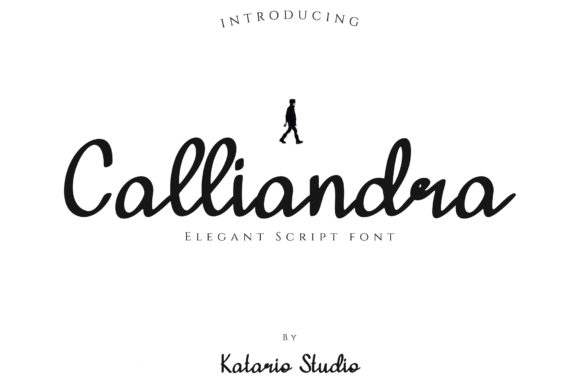
Calliandra is more than just a font—it’s a design language that can shape how your message is perceived, understood, and remembered. As an elegant and modern handwritten font, Calliandra offers a unique blend of creativity and professionalism. Its fluid lines and organic curves make it ideal for a wide range of applications, from wedding invitations to branding materials. But its strategic value lies in how it supports communication, branding, and visual storytelling.
The Strategic Value of Calliandra
In today’s fast-paced digital world, the way we present information matters as much as the content itself. Calliandra provides a visual identity that can enhance the emotional impact of your message. Its handwritten style adds a personal touch, making it feel more authentic and approachable. For professionals, creators, and small business owners, this can be a powerful tool in building trust and connection with your audience.
Consider how typography influences perception. A font like Calliandra can signal warmth, creativity, or sophistication depending on the context. When used intentionally, it can align with your brand’s voice and values, reinforcing your message across different platforms. This alignment is not just aesthetic—it’s strategic. It helps you stand out in a crowded market by creating a memorable visual signature.
When to Use Calliandra Effectively
Calliandra is best suited for projects where a balance between creativity and clarity is needed. It shines in situations where you want to add personality without sacrificing readability. Here are some scenarios where Calliandra can be particularly effective:
- Wedding Invitations: The elegance of Calliandra makes it perfect for formal or semi-formal events. It adds a touch of romance and refinement to your invitation design.
- Branding Materials: If your brand values authenticity and creativity, Calliandra can serve as a signature font for logos, packaging, and marketing collateral.
- Posters and Promotional Materials: Its distinctive style can draw attention and create a strong first impression, making it ideal for event posters, social media graphics, and print campaigns.
- Personal Projects: Bloggers, artists, and hobbyists can use Calliandra to add a creative flair to their work, whether it’s a portfolio, journal, or online publication.
However, it’s important to consider the limitations of Calliandra. While it excels in certain contexts, it may not be the best choice for long-form text or technical documentation. Its handwritten nature can sometimes reduce legibility at smaller sizes or in low-resolution formats. Always test your design in different environments to ensure it remains clear and effective.
Planning for Effective Use
Before incorporating Calliandra into your projects, take time to plan how it will support your goals. Start by defining the purpose of your project and the message you want to convey. Ask yourself: Does Calliandra align with the tone and intent of your communication? Will it help reinforce your brand identity?
Next, consider the audience. Who are you trying to reach? What do they expect in terms of visual style and messaging? A font like Calliandra might resonate well with younger, creative audiences but could be less suitable for more formal or corporate settings. Understanding your audience’s preferences and expectations ensures that your design choices are both intentional and impactful.
Finally, think about the broader context in which your design will be used. Will it appear on a website, printed material, or social media? Each platform has its own constraints and opportunities. For example, a beautifully designed poster might look stunning in print but could lose its effectiveness when scaled down for online use. Planning for these variations helps you maintain consistency and quality across all touchpoints.
Strategic Observations and Decision-Making
Using Calliandra strategically means recognizing its strengths and knowing when to step back. It’s not a one-size-fits-all solution. Instead, it should be part of a larger design strategy that includes other fonts, colors, and layouts. A well-rounded approach ensures that your message is communicated clearly and effectively, regardless of the medium.
One key observation is that Calliandra works best when paired with complementary elements. For instance, pairing it with a clean sans-serif font for body text can create a balanced and professional look. This combination allows you to maintain readability while still adding a creative flourish through the use of Calliandra in headings or accents.
Another important consideration is the scalability of your design. While Calliandra looks beautiful in large formats, it may not perform as well at smaller sizes. Always test your designs at different resolutions and sizes to ensure they remain legible and visually appealing. This attention to detail demonstrates a commitment to quality and user experience.
Risks of Using Calliandra Without Clear Goals
While Calliandra offers many benefits, using it without a clear purpose or context can lead to confusion and misalignment. If you apply it randomly or without considering the overall message, it may dilute your brand’s identity or confuse your audience. This is especially true in professional settings where clarity and consistency are essential.
Additionally, relying too heavily on Calliandra without balancing it with other design elements can result in a lack of visual hierarchy. Your message needs to be structured in a way that guides the reader’s attention and emphasizes key points. Without this structure, even the most beautiful font can fail to communicate your intended message effectively.
It’s also worth noting that overuse of Calliandra can lead to brand fatigue. If your audience sees it too frequently in the wrong context, they may begin to associate it with lower quality or unprofessionalism. This can undermine the very credibility you’re trying to build.
Intentional Use for Long-Term Results
To achieve long-term results with Calliandra, it’s important to use it intentionally rather than randomly. Think of it as a tool that enhances your message, not the message itself. Every time you use Calliandra, ask yourself: Does it serve a specific purpose? Does it align with my goals and values?
For entrepreneurs and small business owners, this means integrating Calliandra into your branding strategy with care. It should be used consistently across all platforms to build recognition and trust. For creatives and bloggers, it can be a way to express your unique style while maintaining professionalism. The key is to find the right balance between creativity and clarity.
Ultimately, the success of any design choice depends on how well it serves your objectives. Calliandra is a powerful tool, but its effectiveness relies on thoughtful planning, strategic use, and a deep understanding of your audience and goals. By approaching it with intention, you can unlock its full potential and create meaningful connections with your audience.