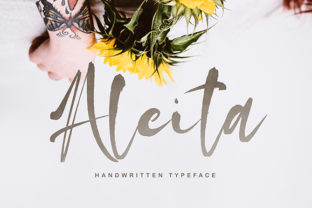
Aleita: A Handwritten Font for Personalized Design
Aleita is more than just a font—it’s a design tool that can significantly enhance the visual and emotional impact of your projects. As a fresh handwritten font, Aleita offers a unique blend of personality and professionalism, making it ideal for those who want to add a touch of authenticity without sacrificing clarity. Whether you're crafting branding materials, designing promotional content, or building an online presence, Aleita can help you stand out in a crowded digital landscape.
Why Aleita Matters in Strategic Design
In today’s fast-paced world, the way we communicate visually plays a crucial role in how our messages are received. Aleita is designed with intention, offering a clean yet expressive aesthetic that aligns with modern design trends. Its legible structure and elegant curves make it suitable for both digital and print media, ensuring that your message remains clear and engaging across platforms.
Strategically, Aleita supports a wide range of goals—from enhancing brand identity to improving user engagement. Its handwritten style evokes a sense of trust and approachability, which can be particularly valuable for businesses aiming to connect with their audience on a more personal level. When used thoughtfully, Aleita can help reinforce your brand’s voice and values, making your designs more memorable and impactful.
When to Use Aleita for Maximum Effect
The key to leveraging Aleita effectively lies in understanding when and where it works best. Here are some practical scenarios where this font can make a meaningful difference:
- Branding Materials: From logos to business cards, Aleita adds a human touch that can differentiate your brand from competitors.
- Marketing Campaigns: Use Aleita in headlines or call-to-action buttons to draw attention and encourage interaction.
- Website Content: Incorporate Aleita into headers or quotes to create a warm, inviting tone that resonates with your audience.
- Print Publications: For brochures, newsletters, or magazines, Aleita can elevate the overall design and improve readability.
- Social Media Posts: The font’s versatility makes it perfect for creating eye-catching visuals that stand out on platforms like Instagram and Facebook.
By choosing Aleita for these use cases, you’re not just selecting a font—you’re making a strategic decision that aligns with your communication goals and audience expectations.
How to Approach Aleita with Purpose
Using Aleita requires more than just selecting it from a font library; it demands thoughtful planning and execution. Start by defining your project’s purpose and identifying the key message you want to convey. Ask yourself: Does Aleita support the tone and intent of my design? If the answer is yes, then consider how you can integrate it seamlessly into your layout.
One effective strategy is to use Aleita as a visual anchor. For example, in a marketing campaign, you might apply it to the main headline while using a more traditional font for body text. This contrast helps guide the reader’s attention and maintains a balance between creativity and professionalism.
Another important consideration is readability. While Aleita is designed to be legible, its handwritten nature means it may not be suitable for long blocks of text. Instead, use it selectively—on headings, subheadings, or key phrases—to maintain clarity and avoid overwhelming your audience.
Practical Examples and Planning Tips
To illustrate how Aleita can be applied in real-world scenarios, let’s explore a few examples:
Example 1: Branding for a Creative Studio
A creative studio specializing in graphic design and illustration could benefit from using Aleita in their logo and website headers. The font’s artistic quality reinforces their brand identity, signaling creativity and originality. Pairing it with a sans-serif font for body text ensures that the design remains functional and easy to read.
Example 2: Social Media Engagement
For a small business owner running a blog or social media account, Aleita can be used to highlight quotes, testimonials, or promotional messages. By applying it to key elements, the content becomes more engaging and visually appealing, encouraging higher interaction rates.
Example 3: Educational Materials
Educators and content creators can use Aleita in handouts, presentations, or course materials to make learning more accessible and enjoyable. Its friendly appearance can help reduce the intimidation factor of academic content, making it easier for students to engage with the material.
These examples demonstrate how Aleita can be strategically integrated into various projects to enhance communication and achieve specific outcomes.
Risks of Using Aleita Without Clear Goals
While Aleita has many strengths, it’s important to recognize the potential risks of using it without a clear purpose. One common pitfall is overuse. Applying Aleita to every element of a design can lead to visual clutter and dilute the intended message. It’s essential to use the font intentionally, reserving it for moments where its unique qualities add value.
Another risk is mismatched context. If Aleita doesn’t align with your brand’s tone or target audience, it can create confusion or miscommunication. For instance, a formal corporate brand may find that Aleita’s informal style clashes with its professional image. Always ensure that the font complements the overall design and messaging strategy.
Additionally, lack of consistency can undermine the effectiveness of Aleita. Inconsistent application—such as using it in different sizes, weights, or colors—can weaken its impact and make your design appear unpolished. Maintaining a cohesive visual language is key to maximizing the benefits of this font.
Strategic Observations and Decision-Making Guidance
When evaluating whether to use Aleita, consider the following strategic observations:
- Define Your Objectives: What do you hope to achieve with your design? Does Aleita help you reach those goals?
- Know Your Audience: Will your audience appreciate the warmth and personality of Aleita, or would they prefer something more formal?
- Test and Refine: Experiment with different applications of Aleita to see what works best for your project.
- Balance Creativity and Clarity: Ensure that your design remains readable and functional, even when incorporating creative elements.
- Seek Feedback: Consult with colleagues, clients, or users to gain insights into how Aleita is perceived in your context.
By approaching Aleita with a strategic mindset, you can avoid common pitfalls and maximize its potential to support your design objectives.
Long-Term Value and Intentional Use
The true power of Aleita lies in its ability to add value over time. When used intentionally, it can become a consistent element of your design toolkit, supporting your brand’s visual identity and reinforcing your communication strategy. However, this requires careful planning and ongoing evaluation.
Consider how Aleita fits into your long-term goals. Is it a temporary solution for a specific project, or is it a foundational element of your brand? If it’s the latter, ensure that it continues to evolve alongside your brand’s growth and changing needs.
Ultimately, the key to success with Aleita is intentionality. By using it with purpose, you can create designs that are not only visually appealing but also strategically aligned with your broader objectives.